SMITHS HOSPITAL PAIPHYSICAL AI PREPAREDNESS
MENU LINKS BELOW ↓
Not simply to adopt it. To operate it safely. An evidence-informed preparedness framework focused on the people, workflows, infrastructure, governance, safety, and resilience hospitals need as AI begins to act in the physical environment.
Technology acquisition is only the beginning. Hospitals also need to know whether their people, workflows, infrastructure, governance, safety systems, and downtime plans can support AI when conditions are routine—and when they are not.
Selection, governance, organizational readiness, and implementation capability.
People, workflow, infrastructure, oversight, and safe operational integration.
Failure, disruption, surge, dependency, human override, and resilience.
The public framework explains the domains hospitals should consider. Detailed assessment questions, weighting, scoring logic, safety-gate thresholds, and stress-test protocols remain proprietary.
Ownership, policies, decision rights, escalation, and oversight.
Training, role clarity, trust, workload, competency, and human override.
Connectivity, interoperability, reliability, downtime, and operational dependencies.
Clinical and physical safety, operational limits, failure modes, and escalation.
Access, monitoring, resilience, vendor risk, and data minimization.
Integration, validation, performance monitoring, learning, and reassessment.
“What happens when the system encounters conditions it wasn't designed for?”
Robotics, autonomous systems, smart environments, telepresence, logistics technologies, and other forms of Physical AI introduce operational questions that go beyond traditional software governance.
The future assessment experience is designed to translate organizational evidence into maturity findings, critical safety gates, and prioritized next steps—without requiring patient-level information.
The public website and initial preparedness pathways are designed so hospitals do not need to provide patient-level PHI. Inquiry forms explicitly prohibit submission of patient information.
Privacy & Data Protection
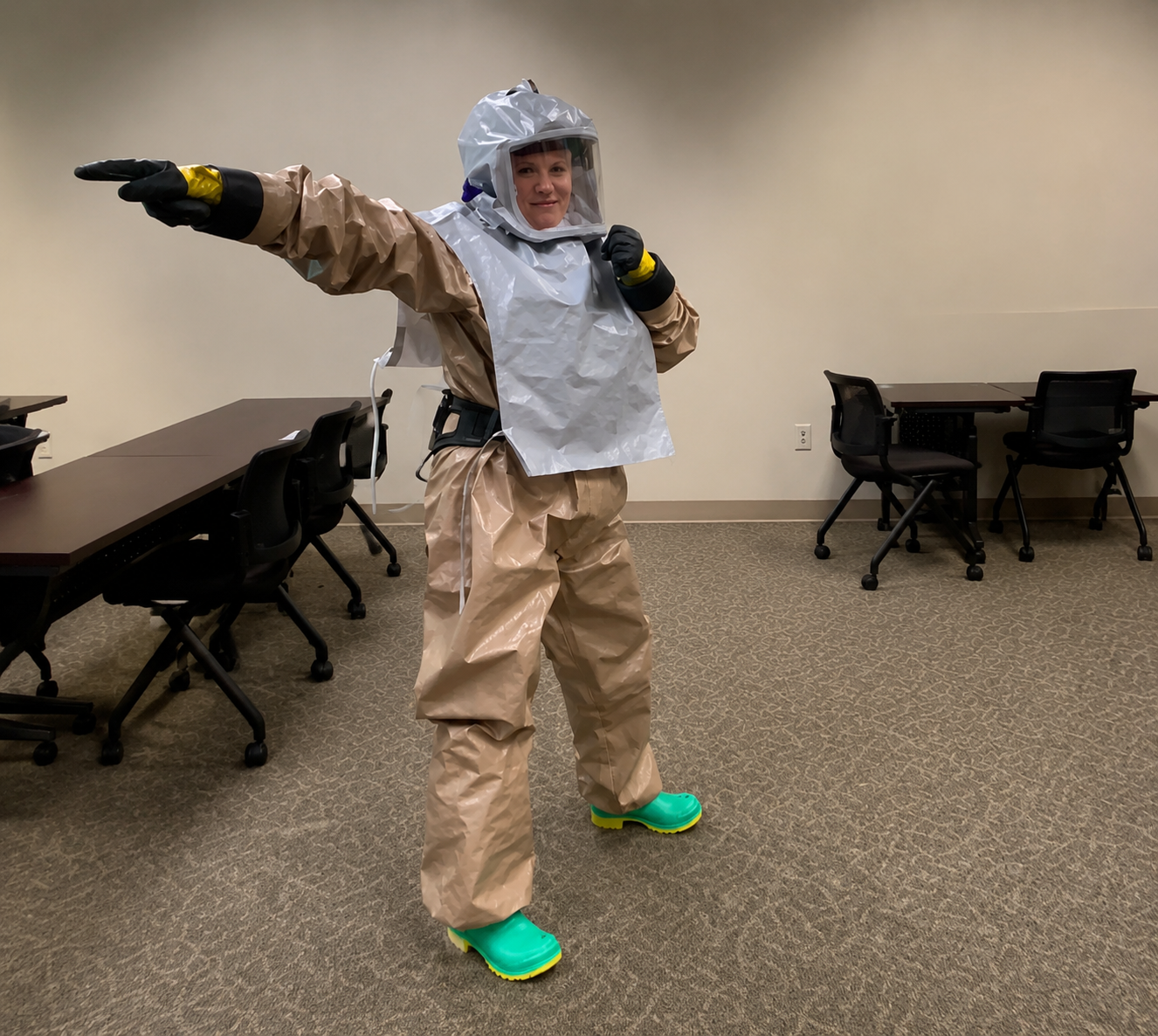
Smiths Hospital PAI grew from a simple belief: hospitals should not have to choose between innovation and the people they serve. Working in the everyday chaos of emergency care—where teams save lives daily—creates a powerful reason to pursue lifesaving change while preparing for it safely.
Read the Founder Story